
The ridings of Terrebonne, Quebec, Scarborough Southwest, Ontario and University – Rosedale, Ontario will have by-elections on April 13, 2026. The Ontario ridings are having by-elections due to their high-profile Liberal representatives giving up their seats (and Cabinet seats) for international appointments. The Quebec riding by-election is a result of a rejection of the last election results due to irregularities in the previous vote collection.
Results of the three elections are of additional interest because the Federal Liberal Party is near a majority status in parliament. A win in all three ridings would put the Liberals into a majority position in parliament.
Results from the last election, May 23, 2025:
Scarborough Southwest
Scarborough Southwest | Maps and Boundary Descriptions – 2023 Representation Orders | Elections Canada
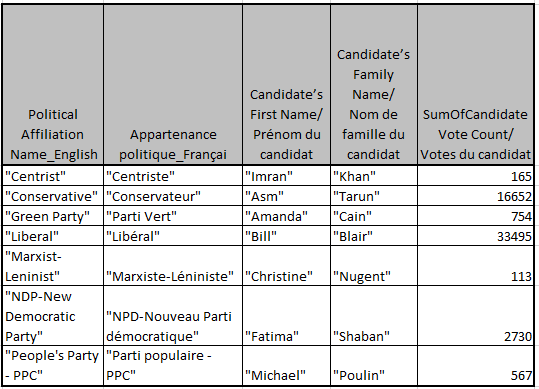
Strong win for the Liberal candidate.
University – Rosedale
University–Rosedale | Maps and Boundary Descriptions – 2023 Representation Orders | Elections Canada
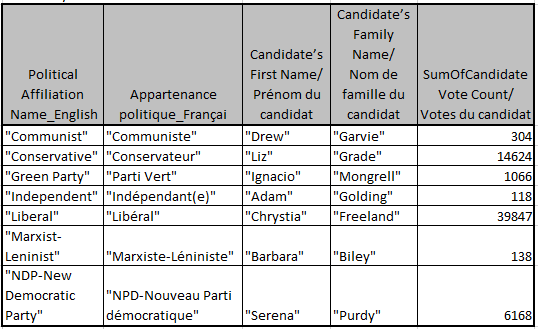
Strong win for the Liberal candidate.
Terrebonne
Terrebonne | Maps and Boundary Descriptions – 2023 Representation Orders | Elections Canada
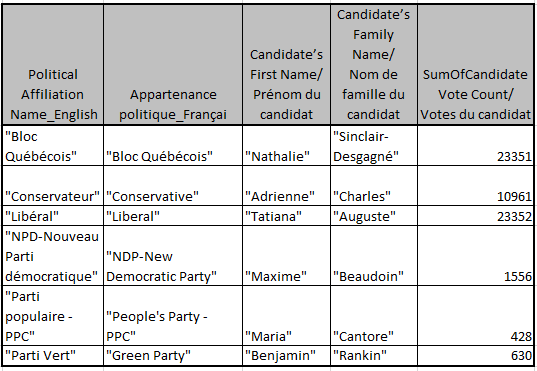
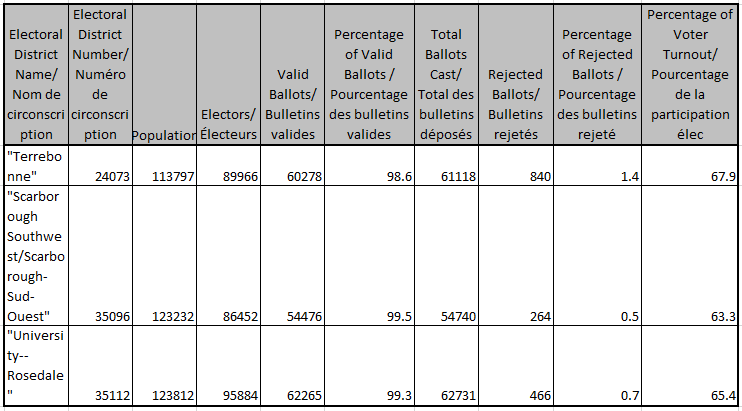
The riding of Terrebonne was split in support of Bloc Québécois and Liberal candidates. From the next table, the percent of voter turnout (<70% in all ridings) indicates one avenue for Strategic voting in the by-elections – by having a higher voter turnout.
Voter turnout 2025 Federal Election:
Strategic Voting
There are a number of factors that could cause strategic voting and engagement of voters in all the by-elections.
Relevant in all the ridings
- The possible establishment of a Liberal majority in parliament
Specific to Terrebonne
Why the Terrebonne election result could not stand
To summarize: the vote count in the riding for the two leading candidates was extremely close, triggering an automatic vote recount. The Liberal candidate was declared the winner by a vote. Subsequently there was found to have been a mistake made on some mail-in ballots, incorrectly addressed by the election staff. The mailed-in votes were sent back in a number of examples, undeliverable. The Bloc Québécois went to court to ask the result of the election be invalidated on this basis. The Superior court ruled no, it was not within the definition of errors that invalidate an election (technical reading of the law). Bloc Québécois resubmitted the ruling to the Supreme Court of Canada, who ruled yes, invalidate the result. The voter’s vote was not counted, full stop (spirit of the law reading). A By-election was then scheduled.
From the Supreme Court ruling:
Chief Justice Richard Wagner: “The purpose of the law is to promote public participation at a time in history when institutions are under strain.”
Supreme Court nullifies Liberal single-vote election win in Montreal-area riding | CBC News
Strategic Voting in Terrebonne
There are a number of factors relevant in Terrebonne for strategic voting and engagement of voters, and a number of possible strategic directions and considerations for voters:
- Primary among these is the establishment of a Liberal majority. If the Liberals repeat their wins in the Ontario ridings from the last election, the deciding vote for a Liberal majority (for the moment) comes to the voters of Terrebonne.
- The continued support for the Bloc Québécois by this riding. The riding has undergone a number of reformations in the past 10 years but the general trend of support has been for Bloc Québécois candidates. From the results from the last Federal election, the Bloc is holding a relatively small number of seats (22 of 78 in Quebec), so a win would be a high visibility show of support for the party should they win. In the absence of a Liberal majority, the Bloc has a powerful position in parliament to negotiate for their support of Liberal initiatives.
- The overall focus on electoral processes that are now taking place in Terrebonne:
- Errors that took place in the last vote count (delivery of the vote)
- Increased scrutiny of processes will be expected and engage voters to vote
- The 50/50 divide between leading parties will engage their supporters to vote
- The 50/50 divide could engage the voters who supported one of the other parties to switch to Bloc Québécois or Liberal (true Strategic Voting)
- The Long Ballots participation will bring a voter reaction and press reaction
- The Long Ballots participation has resulted in the adoption of voter write in ballots, which may also affect the result, due to more spoiled ballots
Higher Than Usual Number of Candidates on Ballot in the Terrebonne By-election – Elections Canada
Majority government, a good thing?
What are some benefits of a party majority in Canada’s parliament?
- Speed up the process for new laws and policy to be implemented (see Background below on Standing Orders)
- Present a united front to external threats, with a clear mandate for the Prime Minister to negotiate on Canada’s behalf
- The Opposition parties will be unable to force early elections through a non-confidence vote if the Liberals hold a true majority
- Possibly avoid call of an early election
From the above article:
- MPs agreed to a Standing Order in June 2025 to set up committees for the rest of this Parliament made up of five Liberals, four Conservatives and one member from the Bloc Québécois in each case.
- The Liberals don’t automatically get another seat on committees if they get a majority
- If the government wants more control over committees, it will need to get the opposition parties to agree to make a change or amend the Standing Orders
Background on Standing Orders, Committee control and Time allocation
- Amend standing orders (procedures of the parliament)
Search Results for standing orders – ProceduralInfo – House of Commons of Canada
- Exercise committee control
- Use of time allocation to manage debate
Standing Order 78 (commonly known as “time allocation”) and specifically Standing Order 78 (3) which allows the government to set time allocation for bill debates. Contentious because, it is basically an override on continued debate. In a minority situation, this use would be curtailed to avoid non-confidence votes.
Election candidates, April 13, 2026 by-elections
(from Elections Canada : Voter Information Service – Find your electoral district )
Scarborough Southwest
| Candidate name | Status | Party name | Candidate’s website * |
| Doly Begum | Confirmed | Liberal Party of Canada | WebsiteDoly Begum |
| Diana Filipova | Confirmed | Conservative Party of Canada | WebsiteDiana Filipova |
| April Francisco | Confirmed | Independent | |
| Peter Koubakis | Confirmed | People’s Party of Canada | |
| Pooja Malhotra | Confirmed | Green Party of Canada | WebsitePooja Malhotra |
| Lyall Sanders | Confirmed | Centrist Party of Canada | |
| Fatima Shaban | Confirmed | New Democratic Party | |
| David Vedova | Confirmed | Christian Heritage Party of Canada | WebsiteDavid Vedova |
University – Rosedale
| Candidate name | Status | Party name | Candidate’s website * |
| Samuel Baxter | Confirmed | Canadian Future Party | WebsiteSamuel Baxter |
| Leslie Bory | Confirmed | No Affiliation | WebsiteLeslie Bory |
| Andy D’Andrea | Confirmed | People’s Party of Canada | WebsiteAndy D’Andrea |
| Raiden DeDominicis | Confirmed | Independent | WebsiteRaiden DeDominicis |
| Don Hodgson | Confirmed | Conservative Party of Canada | WebsiteDon Hodgson |
| Imran Khan | Confirmed | Centrist Party of Canada | WebsiteImran Khan |
| Danielle Martin | Confirmed | Liberal Party of Canada | WebsiteDanielle Martin |
| Andrew Massey | Confirmed | Green Party of Canada | WebsiteAndrew Massey |
| Serena Purdy | Confirmed | New Democratic Party | WebsiteSerena Purdy |
| Bill Whatcott | Confirmed | Independent | WebsiteBill Whatcott |
Terrebonne
| Candidate name | Status | Party name | Candidate’s website * |
| Tatiana Auguste | Confirmed | Liberal Party of Canada | WebsiteTatiana Auguste |
| Alex Banks | Confirmed | Independent | |
| Sophia Bearden | Confirmed | Independent | |
| Maxime Beaudoin | Confirmed | New Democratic Party | |
| Myriam Beaulieu | Confirmed | Independent | |
| Danica Boe | Confirmed | Independent | |
| Jeani Boudreault | Confirmed | Independent | |
| Maria Cantore | Confirmed | People’s Party of Canada | |
| Jenny Cartwright | Confirmed | Independent | |
| Nicolas Champagne | Confirmed | Independent | |
| Jaël Champagne Gareau | Confirmed | Independent | |
| Adrienne Charles | Confirmed | Conservative Party of Canada | |
| Sébastien CoRhino | Confirmed | No Affiliation | WebsiteSébastien CoRhino |
| Jayson Cowan | Confirmed | Independent | |
| Gerrit Dogger | Confirmed | Independent | |
| Geneviève Dorval | Confirmed | Independent | |
| Samuel Ducharme | Confirmed | Independent | |
| Ysack Dupont | Confirmed | Independent | |
| Elizabeth Dupuis | Confirmed | Independent | |
| Michael Dyck | Confirmed | Independent | |
| Alexandra Engering | Confirmed | Independent | WebsiteAlexandra Engering |
| Laurie Goble | Confirmed | Independent | |
| Emily Goose | Confirmed | Independent | |
| Anthony Hamel | Confirmed | Independent | |
| Kazimir Haykowsky | Confirmed | Independent | |
| Seyed Hosseini Lavasani | Confirmed | Independent | WebsiteSeyed Hosseini Lavasani |
| Ryan Huard | Confirmed | Independent | |
| Jack Jean-Louis | Confirmed | Independent | |
| Chris Kowalchuk | Confirmed | Independent | |
| Krzysztof Krzywinski | Confirmed | Independent | |
| Joseph Alain Matthew Laveault | Confirmed | Independent | |
| Jocelyn LeBlanc-Courchaine | Confirmed | Independent | |
| Mark Moutter | Confirmed | Parti Rhinocéros Party | |
| John Francis O’Flynn | Confirmed | Independent | |
| Lanna Palsson | Confirmed | Independent | |
| Samuel Pignedoli | Confirmed | Independent | |
| Lajos Polya | Confirmed | Independent | |
| Benjamin Rankin | Confirmed | Green Party of Canada | |
| Spencer Rocchi | Confirmed | Independent | |
| Kayll Schaefer | Confirmed | Independent | |
| Nathalie Sinclair-Desgagné | Confirmed | Bloc Québécois | Bloc Québécois |
| Myles René Laurent St. Pierre | Confirmed | Independent | |
| Julie St-Amand | Confirmed | Independent | |
| Pascal St-Amand | Confirmed | Independent | |
| Justin Steinburg | Confirmed | Independent | |
| Vivian Unger | Confirmed | Independent | |
| Bryan Wang | Confirmed | Independent | WebsiteBryan Wang |
| Alon Weinberg | Confirmed | Independent |